Why Default CRM Setups Fail Without Customization
Customer Relationship Management (CRM) software has become an essential tool for businesses looking to improve customer engagement, streamline sales processes, and make better business decisions. However, many organizations assume that installing a CRM is enough to solve their operational challenges. In reality, a default CRM setup rarely aligns with the unique workflows and objectives of a business. At Business Raisers, we have seen companies achieve far better results after implementing zoho customization services that adapt the CRM to their specific business processes rather than forcing employees to work around generic software limitations.
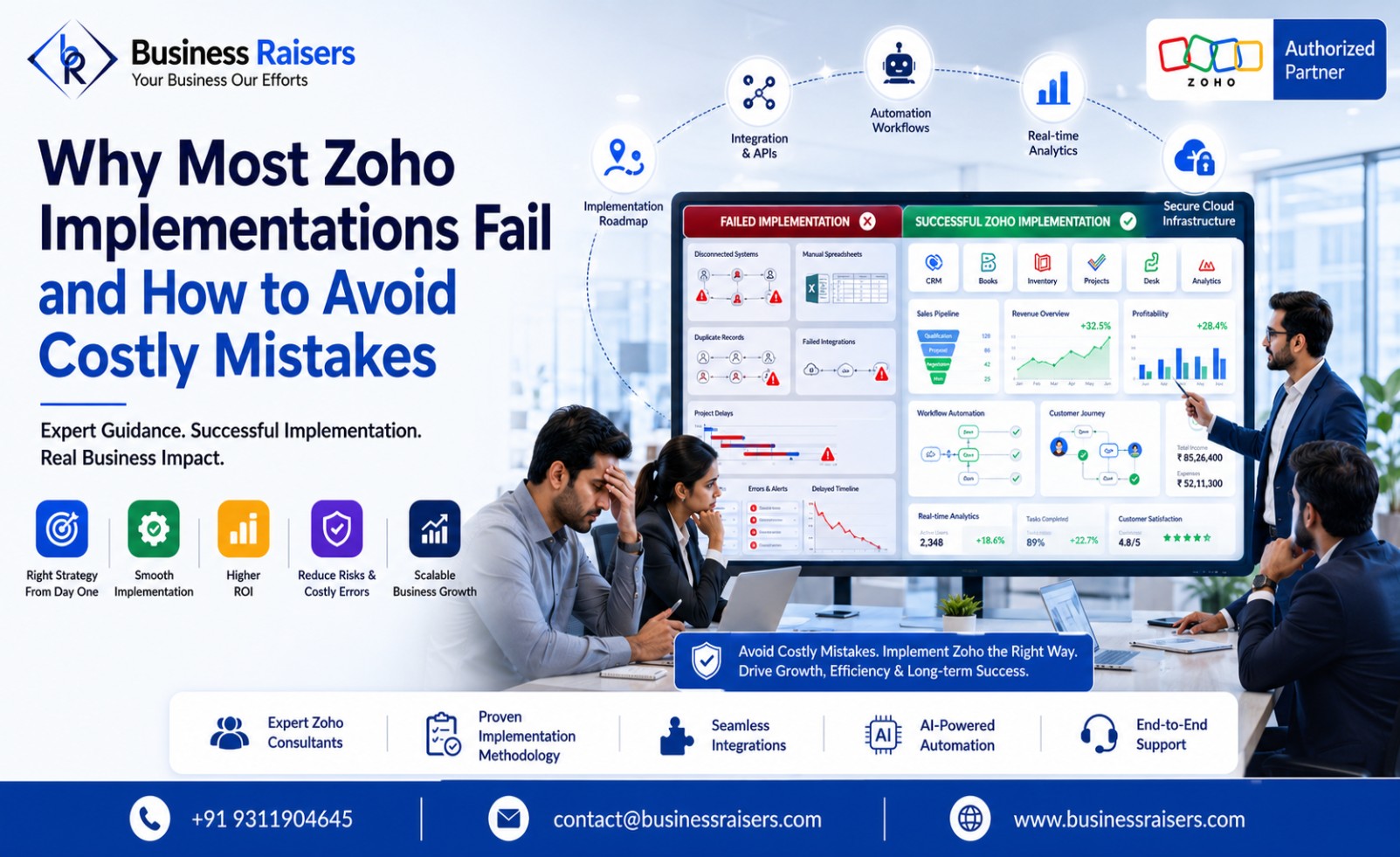
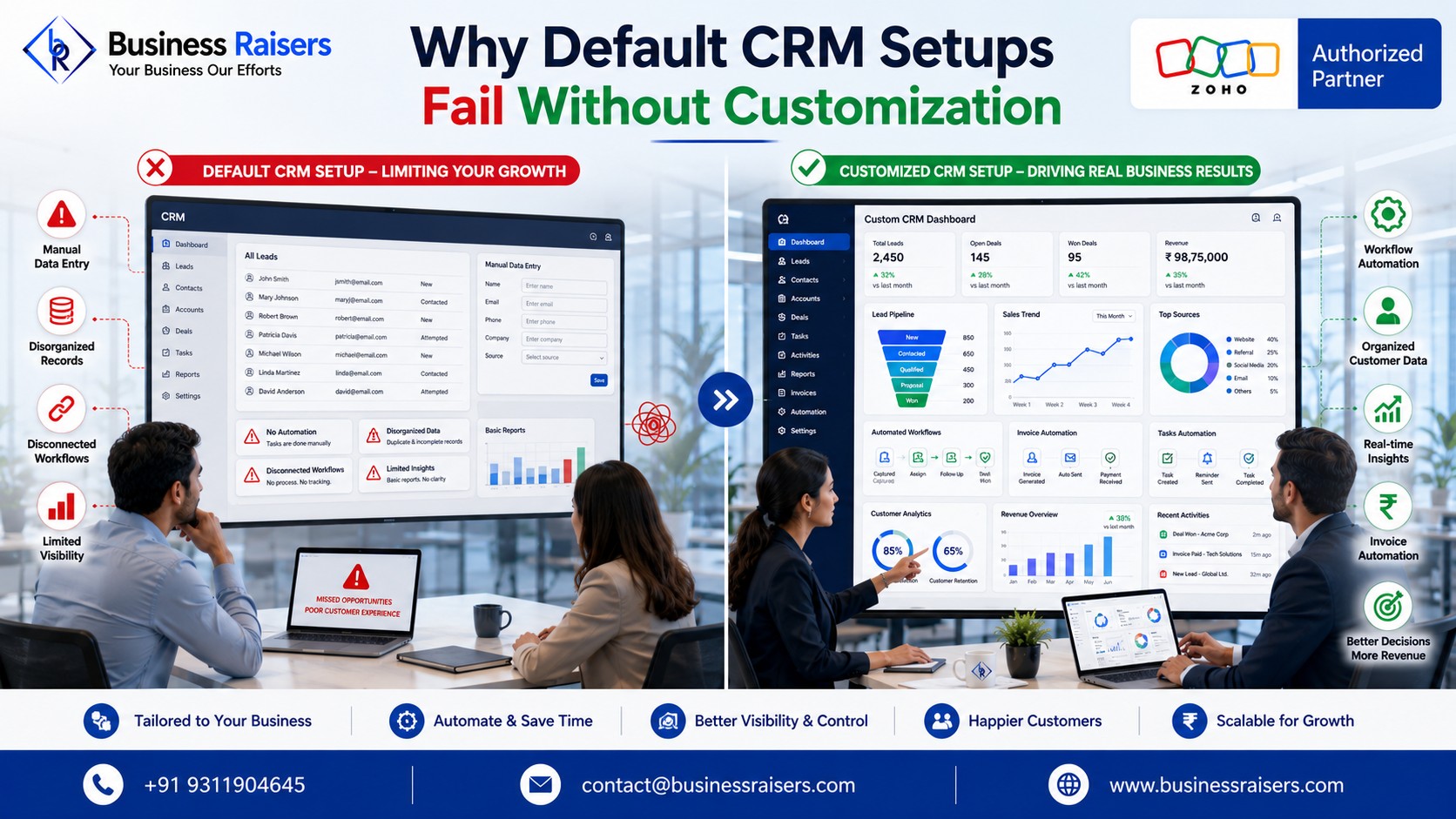
Every business has different sales pipelines, approval processes, reporting requirements, and customer engagement strategies. A standard CRM configuration cannot accommodate these differences effectively. Without proper customization, businesses often experience low user adoption, inefficient workflows, inconsistent data, and reduced productivity. This is why CRM customization has become a critical part of successful digital transformation in 2026.
Why Default CRM Configurations Often Fall Short
CRM platforms are designed to serve businesses across multiple industries. To achieve this, they provide a standard setup that includes common modules, fields, and workflows. While this approach makes implementation faster, it rarely reflects how an individual business actually operates.
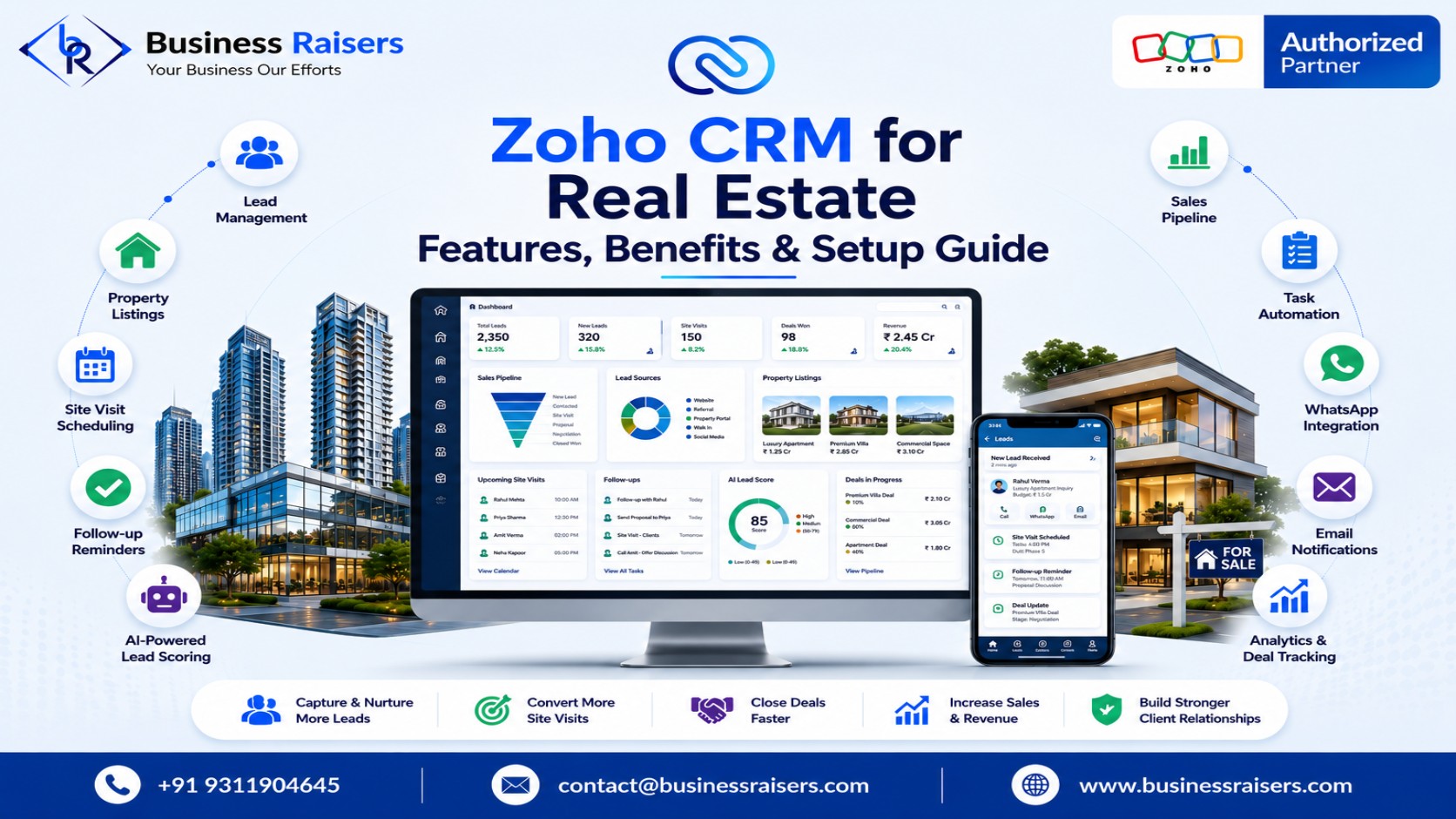
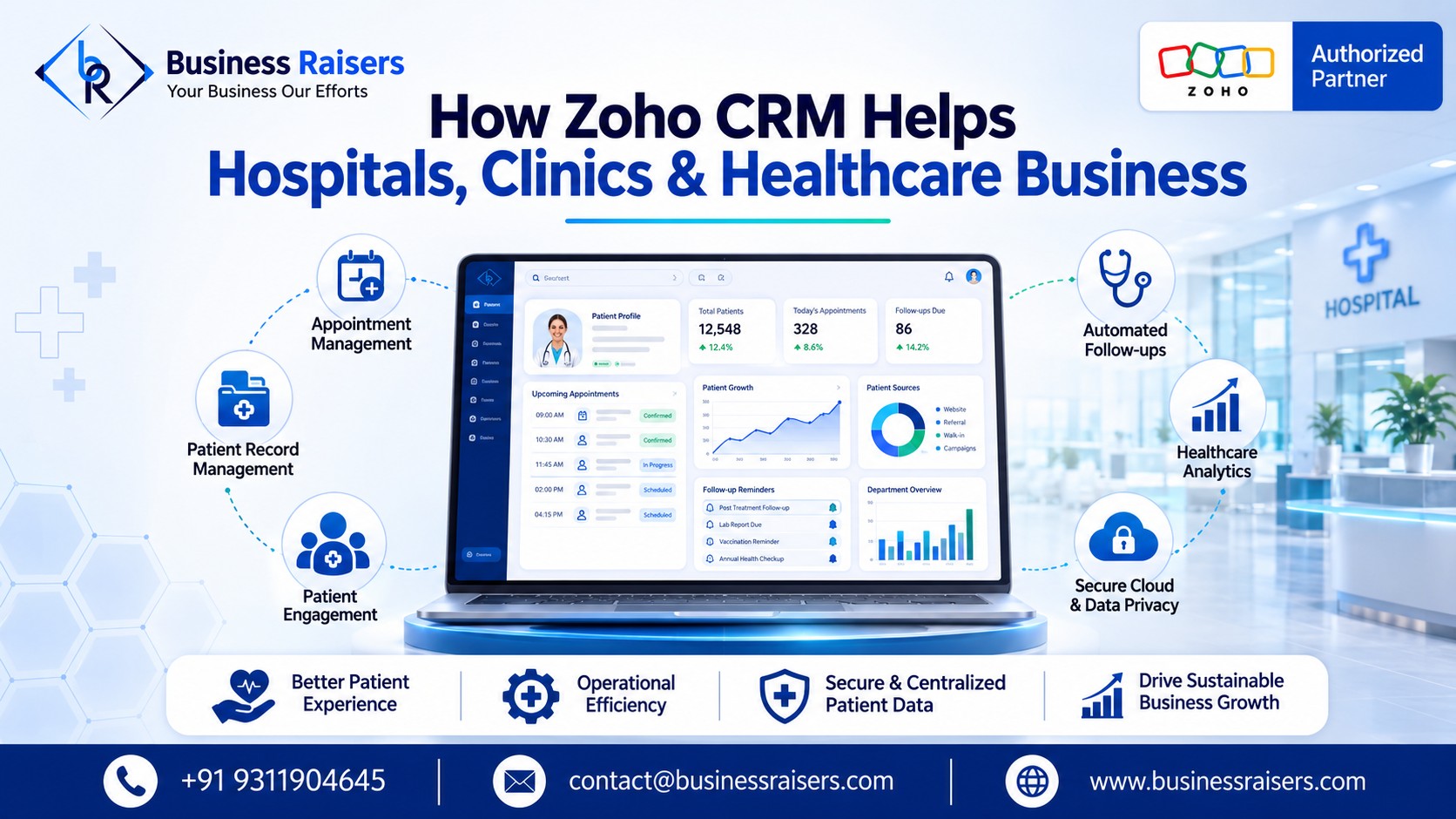
For example, a manufacturing company manages customers differently from a healthcare provider or a real estate agency. Each industry has unique processes, customer journeys, and reporting requirements that cannot be fully supported by a one-size-fits-all CRM.
When businesses rely entirely on default settings, employees often spend additional time performing manual tasks or using external spreadsheets to compensate for missing functionality. This reduces efficiency and increases the risk of errors.
Every Business Has Unique Processes
Business growth depends on processes that support day-to-day operations efficiently. Sales teams follow different lead qualification methods, finance departments have their own approval structures, and customer service teams require specialized workflows.
CRM customization allows businesses to align technology with these existing operations instead of forcing operational changes simply to match software limitations.
Customized CRM solutions help organizations:
- Simplify daily workflows
- Improve user productivity
- Reduce manual data entry
- Increase process consistency
When employees work with software designed around their responsibilities, adoption rates improve naturally and productivity increases.
Better User Experience Improves CRM Adoption
One of the biggest reasons CRM projects fail is poor user adoption. Employees often avoid using systems that feel complicated or require unnecessary steps to complete routine tasks.
Customization creates a simpler and more intuitive experience by removing unnecessary fields, adding relevant information, and organizing workflows according to business requirements.
When employees find the system easy to use, they are more likely to update customer information consistently and rely on the CRM for daily operations.
Higher adoption leads to better data quality, more accurate reporting, and improved business decisions.
Automation Eliminates Repetitive Work
Many businesses still perform repetitive administrative activities manually, including updating records, assigning leads, sending notifications, and creating documents.
A customized CRM can automate these routine processes, allowing employees to spend more time focusing on customers rather than administrative work.
Automation helps businesses reduce delays, improve consistency, and increase overall operational efficiency without increasing workforce requirements.
Customized Reporting Delivers Better Business Insights
Business leaders depend on reports to monitor performance and make strategic decisions. Unfortunately, standard CRM reports often fail to provide the exact information managers need.
Customization allows organizations to build dashboards and reports based on their own key performance indicators instead of relying on generic templates.
With accurate reporting, businesses can identify sales trends, monitor employee performance, forecast revenue, and make faster decisions based on real-time data.
Personalized Financial Workflows
Customer management and financial operations often work together. Businesses frequently require invoices, quotations, and payment processes that match their branding and internal requirements.
Professional zoho invoice customization enables organizations to create customized invoice templates, automate billing workflows, and improve financial consistency across departments.
This not only enhances operational efficiency but also creates a more professional experience for customers.
Better Support Ensures Long-Term Success
CRM implementation is not a one-time project. As businesses grow, customer expectations change, and operational processes evolve, CRM systems also need continuous improvement.
Reliable zoho crm support helps businesses maintain system performance, resolve technical issues quickly, and introduce enhancements that keep the CRM aligned with changing business needs.
Ongoing support ensures businesses continue receiving value from their CRM investment while minimizing operational disruptions.
Supporting Business Growth Through Seamless Data Migration
Many organizations upgrade from older accounting systems as they expand. During this transition, maintaining accurate financial records is essential.
Professional zoho books migration helps businesses transfer historical financial data securely while preserving important records and minimizing downtime.
A well-planned migration process allows businesses to continue daily operations without losing valuable financial information or disrupting customer service.
Customization Improves Scalability
As businesses grow, operational complexity increases. Additional employees, customers, products, and locations require software that can adapt without affecting productivity.
A customized CRM provides the flexibility to expand workflows, create new modules, automate additional processes, and support future business requirements.
Instead of replacing software every few years, businesses can continuously improve their CRM as operations evolve.
This scalability makes customization a valuable long-term investment rather than simply an implementation enhancement.
Why Customization Is a Competitive Advantage
Businesses that customize their CRM gain significant advantages over competitors relying on standard configurations.
Some of the biggest benefits include:
- Faster sales processes
- Better customer experiences
- Improved employee productivity
- More accurate reporting
- Reduced manual work
These improvements contribute directly to stronger customer relationships, higher operational efficiency, and better business performance.
Conclusion
Implementing a CRM is only the first step toward digital transformation. Long-term success depends on how well the system supports your business processes, employees, and customers.
Default CRM configurations provide a starting point, but they rarely deliver the flexibility growing businesses require. Customization enables organizations to automate workflows, improve reporting, enhance user experience, and create systems that align with real business objectives.
Businesses that invest in CRM customization today are better positioned to improve efficiency, increase productivity, and build stronger customer relationships in 2026 and beyond.
Contact Business Raisers to build a CRM solution tailored to your business processes and unlock greater productivity, efficiency, and long-term growth.
FAQs
1. Why isn't a default CRM setup enough for most businesses?
Default CRM systems are designed for general use and often don't match a company's unique workflows, reporting needs, or sales processes.
2. How does CRM customization improve business efficiency?
Customization automates repetitive tasks, simplifies workflows, and provides employees with tools tailored to their daily responsibilities.
3. Can CRM customization improve customer experience?
Yes. Customized workflows help businesses respond faster, manage customer interactions more effectively, and deliver more personalized service.
4. Is CRM customization suitable for small businesses?
Absolutely. Small businesses benefit by creating efficient processes early, making future growth easier to manage.
5. When should a business customize its CRM?
The best time is during implementation or whenever existing workflows become inefficient due to business growth or changing operational requirements.